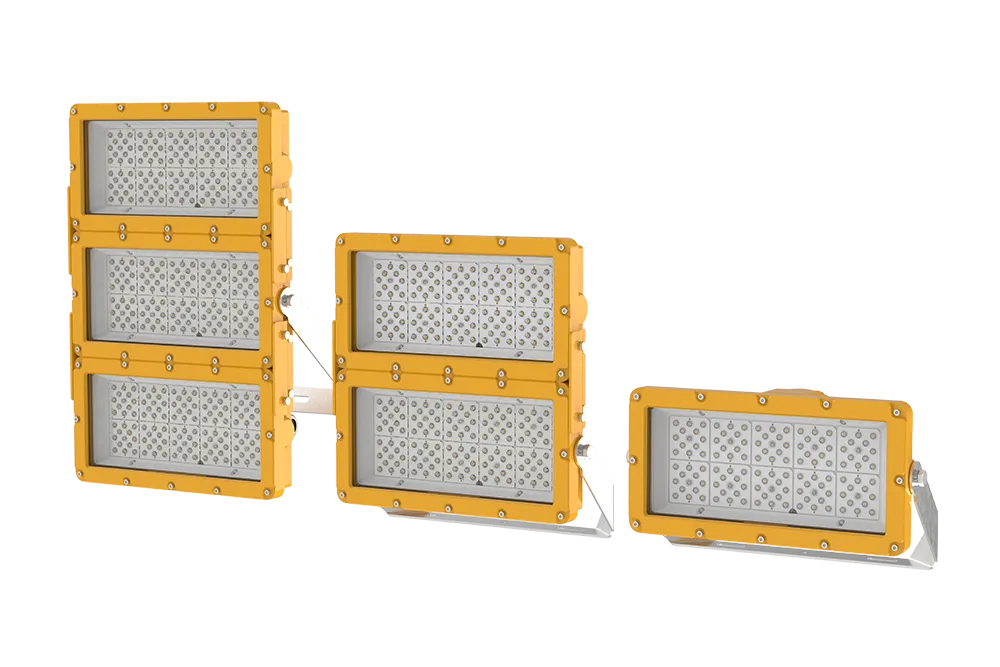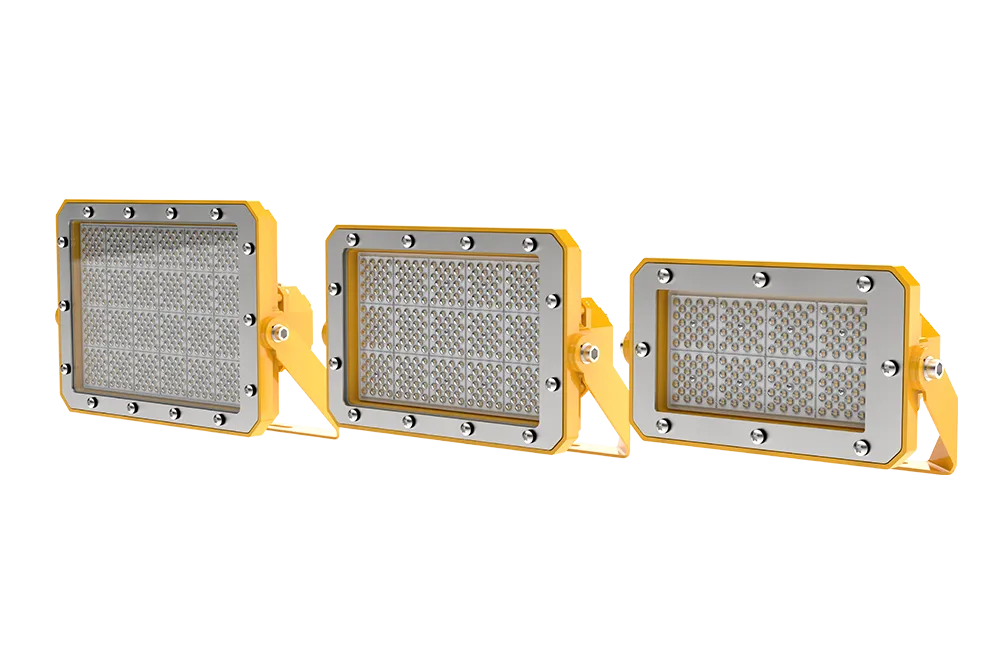
Commencing this composition investigates these methods involving spark-proof fixtures alongside processing settings.
Acting effectively in treacherous areas especially refinery plants obliges dedicated machinery in order to ward off potential emergencies. Blast-resistant power fixtures are required constituents in those spaces, designed to survive sparks, explosive mists, and volatile regions. Such instruments are not inherently protected; in place of that they are assembled to confine any embedded spark or glimmer and prevent it from starting a intensified explosion in the nearby setting. This compendium provides vital knowledge about explosion-proof units, their uses, and risk management points for applying them properly.
Recognizing Explosion Proof Lighting Standards
Operating within prescribed intrinsically safe lighting codes can be intricate, especially inside workplaces dealing with hazardous atmospheres. These codes – often grounded on domestic bodies particularly the National Electrical Regulation (NEC), ATEX (Europe), and IEC – dictate stringent design and placement processes to curb the threat of burning from voltage-based tools. Understanding referenced standards is critical for ensuring worker safety and adherence with regulatory mandates.
Solid-State Blast Resistant Illumination: Output & Safeguarding
Photonic ignition-proof lighting units provide a substantial enhancement over legacy incandescent lighting in environments where catchable agents are manifest. These tough appliances merely supply superior fuel economy, bringing about minimized energy bills, but importantly ensure a boosted grade of safeguarding by minimizing the risk of fire outbreaks as a consequence of electric faults}.
Explosion Rated Risky Place Toxic Proof Ignition Fire Light Resistant} Devices : A Detailed Guide
Explosion Qualified Flammable Site Treacherous Proof} Illumination are specifically manufactured lighting methods built to function safely within plausibly combustible atmospheres. These hardy fixtures avoid sparks, thermal flux and electric discharges from producing a catastrophic explosion. They normally incorporate state-of-the-art designs, including specifically encased housings and constitutionally safe circuitry assemblies to provide safety codes in markets like natural resource & fuel gas processing, compound plants, quarrying operations, and medicinal production.
Opting for the Fitting Blast-Proof Units for Perilous Settings
Identifying the perfect explosion-proof luminaries for a selected danger zone involves thorough review. Indicators such as the designation (e.g., Rating I, II, or III and regions 1) are required to be thoroughly determined to validate conformity with applicable danger prevention rules. Beyond the region's basic risks, assess surrounding parameters, covering heat and wetness, to choose a resilient and safe option. Consistently engage a experienced advisor to facilitate your resolution.
Where Exist Explosion Proof Lights?
Explosion-proof otherwise called intrinsically safe|hazardous location|Class-rated} lighting fixtures are undeniably needed in particular areas where dangerous gases or dust could likely create a hazardous atmosphere. This often includes manufacturing production plants, varnish application areas, seed handling facilities, and sanitary treatment plants. Regulations, such as those from ATEX and OSHA, command their setup in these regions to reduce the risk of combustion and secure safety continuity.
Advantages of Light Emitting Diode in Intrinsically Safe Illumination
Switching to LED technology for explosion proof luminaires offers a striking collection of pros. First, photon emitters boast a markedly longer duration compared to traditional halogen lamps, reducing overhaul expenditures and stoppages. They are also fundamentally safer, producing minimal heat which abates the likelihood of flaring in dangerous atmospheres. Over and above, electroluminescent units are progressively efficient, leading to reduced energy usage fees and a diminished environmental imprint. Finally, the sturdy construction of Crystal-Based assemblies resists the stringent situations typical of hazardous location areas.
- Amplified Usability Span
- Lower Overhaul Fees
- Improved Defense
- Reduced Fuel Utilization
- Heightened Toughness
Maintaining and Evaluating Explosion Proof Lighting Systems
Routine checking and comprehensive checkup of hazardous location lighting frameworks are essentially explosion proof led lights indispensable for maintaining risk management and reducing potential pitfalls. This requires a recurrent review of all parts, such as lighting installations, piping, wiring systems, and interconnected junction enclosures. Chiefly, confirm for wear, structural compromise, and appropriate bond connection. Additionally, certify that total tags are understandable and that the lighting complies with prescribed norms.
- Undertake sight examinations.
- Assess wire terminations.
- Substantiate explosion protection.
Upcoming Trends of Explosion Proof Lighting Technology
Advancing landscape of explosion-proof devices technology indicates a considerable shift from traditional designs. Future applications will widely incorporate smart capabilities, enabling virtual monitoring, diagnostics, and responsive control. We imagine a strengthening adoption of semiconductor technology, not only for its inherent energy efficiency, but also its ability to facilitate embedded sensors for identifying unsafe conditions. Also, materials analysis is promoting innovations in strong container materials, allowing for slimmer and advanced designs, while upholding the compulsory levels of defense.
- Boosted battery life for movable applications.
- Unification with anticipative maintenance infrastructures.
- Invention of hands-free lens techniques.