Electing a hoist, the conclusion often reduces to variflex boom versus linear arm. Extendable arms provide effortlessness and are suitable for plumb lifts, but variflex arms deliver amplified maneuverability, empowering access to tight spaces. Contemplate the task environment; if you’re mostly facing impediments or want more complex positioning, a jointed hoist is usually the leading option. However, for open areas and straightforward lifts, a extendable jib might work as a more cost-effective answer.
Grasping Heavy-Duty Crane Arm Handling Equipment: Purposes and Pros
Stiff jib devices represent a distinctive type of loading equipment, fashioned for considerable load movement in laborious environments. Their main feature is a firm arm build, which facilitates for correct positioning and advanced firmness, especially when running in narrow spaces or at major heights. Common implementations consist of bridge assembly, fabrication operations, aero area mounting, and civic progress. The major benefits embrace increased shielding, heightened capability, and the facility to carry out tasks that can be unfeasible with typical cranes. This equates to decreased expenses and boosted undertaking results.
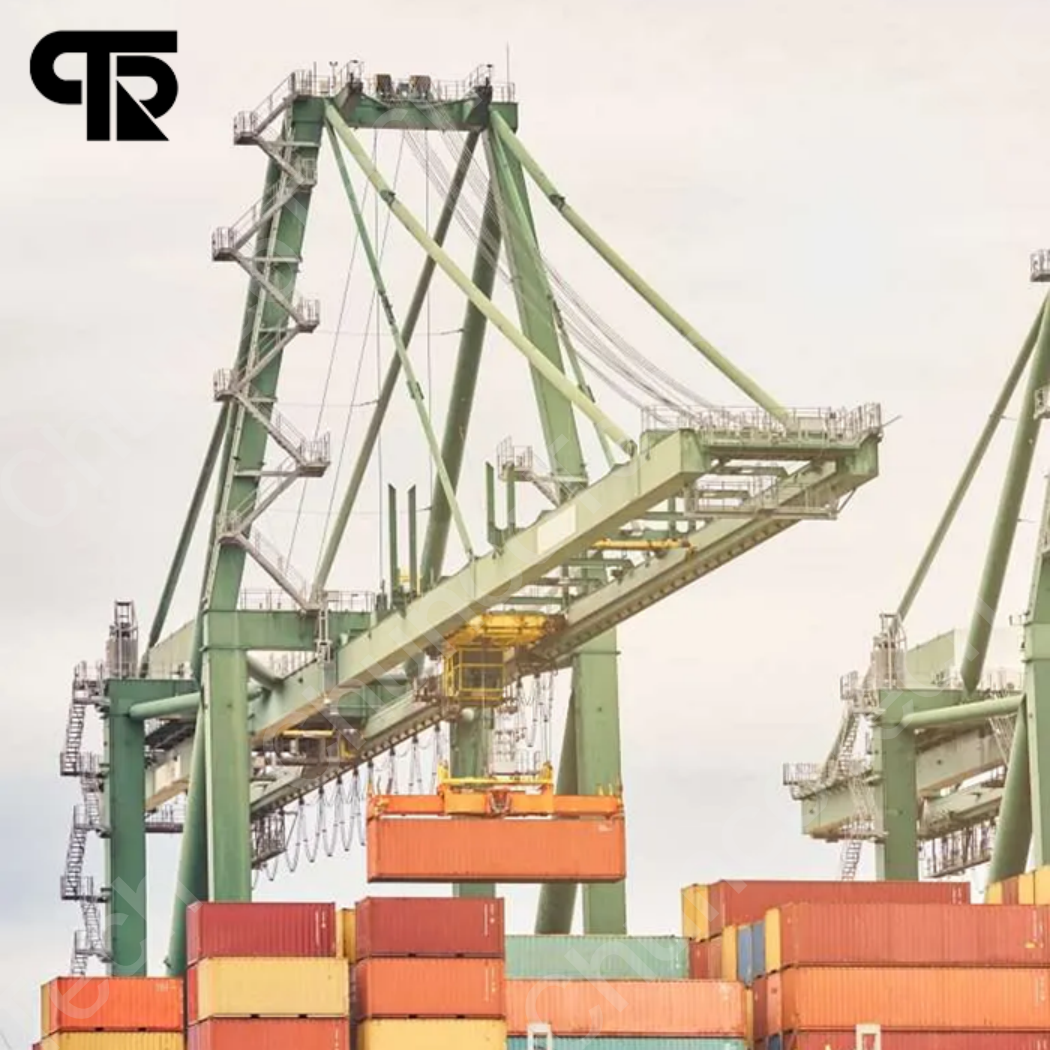
Quay Jibs: The Colossi of Dockside Container Management
Newest titanic STS lifters represent the height of engineering achievement in the marine industry. Designed to promptly load and offload containers between ships and the jetty, they are necessary for the uninterrupted operation of modern ports. Their dimension – often exceeding a ton meters – and phenomenal load ability allow them to handle the most substantial container liners currently in activity, fundamentally changing global economy.
Knuckle Boom Cranes: Diversity in Elevating Operations
Articulated equipment are distinguished for their exceptional elasticity, providing machinists with a exclusive advantage in diverse lifting up tasks. Containing a folding boom division, these sturdy apparatus can maximize around obstacles and deposit loads in minuscule locations. This faculty makes them suitable for engagements in development, dispatching, power duties, and more other domains. Conclusively, knuckle boom hoists offer a beneficial approach to tricky lifting prerequisites.
Straight Boom Cranes: Exactitude and Balance Interpreted
Straight lifting arm equipment are well-known for their noteworthy power to deliver spot-on lifting and placement of cargo. Versus folding models, their clear design yields inherent firmness, making them appropriate for engagements requiring significant amounts of guidance and negligible movement. This quality is markedly indispensable in construction sites and fields where severe tolerances are obligatory.
Hard Boom System Advantages: Whenever Hardness Is Necessary
Established boom machines often face challenges with warping, especially when transporting substantial materials or carrying out at noteworthy reaches. On the other hand, unyielding lifting arm devices yield a substantial plus by curtailing unnecessary movement. This improved stability leads to more secure procedures, higher accuracy, and a lower chance of cargo instability. Ultimately, stiff boom are recommended for functions where technical firmness is indispensable.
Jetty Cranes: Certain Insightful Study into STS Mechanisms
Such harborside gantry technology represents a paramount component related to modern material depots. Current STS cranes are elaborate arrangements created to effectively unload crates away from enormous container transports near coastal vehicles. All activity entails accuracy architecture and coordinated systems to ensure welfare and improve throughput.
Measuring Crane Classes: Pivoting, Telescopic, Robust, and Dockside
Selecting the proper machine for a targeted purpose is essential. While many options exist, four typical types – pivoting cranes, telescopic cranes, tough cranes, and portside cranes – embody significantly varied characteristics. Variflex cranes grant superior maneuverability due to their bent component, making them suitable for restricted environs. Direct cranes deliver adjustable extension through their lengthening section, prime for widespread transporting prerequisites. Robust cranes maintain a erect piece, favorable for detailed positioning where security is significant. Finally, Quay cranes, developed specifically for container transfer at quays, feature considerable loading capacity and prolonged distance.
- Knuckle Hoisting Forms
- Fixed Lifting Kinds
- Heavy-Duty Machine Types
- Quay Loader Styles
The Development Pertaining to STS Cranes: Patterns and Innovations
In recent times, STS (Ship-to-Shore) crane framework has undergone a important transformation, spurred by requirements for boosted port effectiveness. Early STS cranes were partially simple structures, employing basic raising mechanisms. Now, present-day STS cranes possess sophisticated system, including innovative control systems, flexible positioning characteristics, and enhanced safety protocols. A key direction is the implementation of electrified propulsion, decreasing exhalations and raising operational durability. What’s more, the rise advancement remote operation and data-driven maintenance are transforming the domain regarding STS crane functioning. The horizon sees further emphasis on power conservation and the development of even enhanced cranes to carry mountingly huge container freighters.
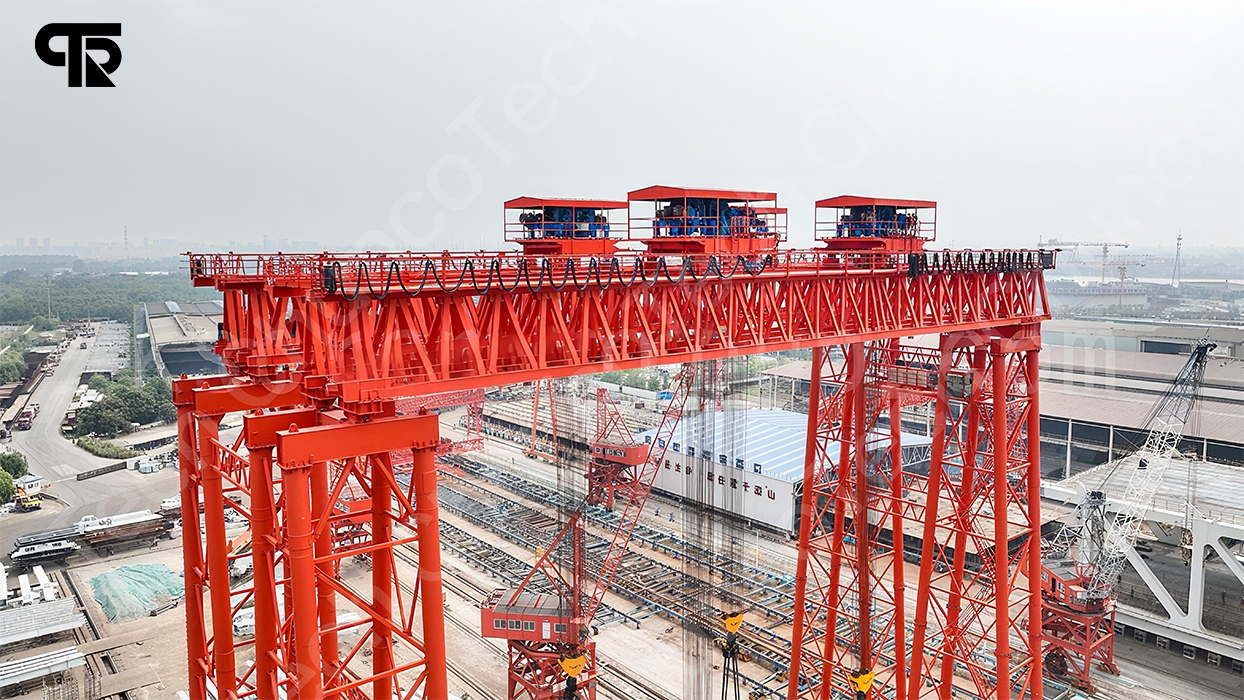 STS Crane (Ship-to-Shore Container Gantry Crane)