Hola
Oscillatory Drives depict a unprecedented method to movement, differentiating themselves from traditional motors through their dependence on oscillations. Such construction typically includes a chassis and a translating section, meticulously constructed to increase productivity at a targeted tonal frequency. Employments for these systems are increasing, encompassing fields such as detail-oriented production, health devices, and automated machinery where high resolution and rapid execution are mandatory. Also, their compressed form and efficiency in energy make them advantageous for movable systems.
Reduced Core Gear Motors: Compact Design with Accuracy
Compact coreless precision powers feature a compelling blend of high productivity and unequaled positioning in specific incredibly tight package. Contrasting with traditional wired DC motors, coreless plans negate a large amount of each electrical retardation, bringing about in intensified dynamic economy. The aforementioned setup gives room for for notably limited electricity allocation and improved torque attributes, making those motors ideal for challenging deployments for example programmed devices, hospital instruments, and tiny-sized consumer items.
- Elevated Output
- Sharp Movement
- Condensed Design
Brushless Versus Brushed DC Motors: What to Know
Deciding upon a standard DC driver and a AC-less DC unit can feel perplexing, but understanding the main variations will inform you. Traditional units are more basic and frequently inexpensive to acquire, offering a uncomplicated plan. However, they encounter from deterioration on the commutators, which need timely refurbishment and produce signal distortion. Digital commutated units, on the other hand, exclude brushes altogether, resulting in higher output, prolonged service life, and curtailed management needs. They also behave more mutedly. Consider the application; inexpensive applications with average force needs might be adequate with a classic drive, while complex systems in need of dependability and economy profit greatly from a contactless actuator.
- Brushed Units Strengths
- Diminished introductory expenditure
- More elementary blueprint
- BLDC Advantages
- Elevated power
- Heightened operating life
- Lowered upkeep
- Smoother operation
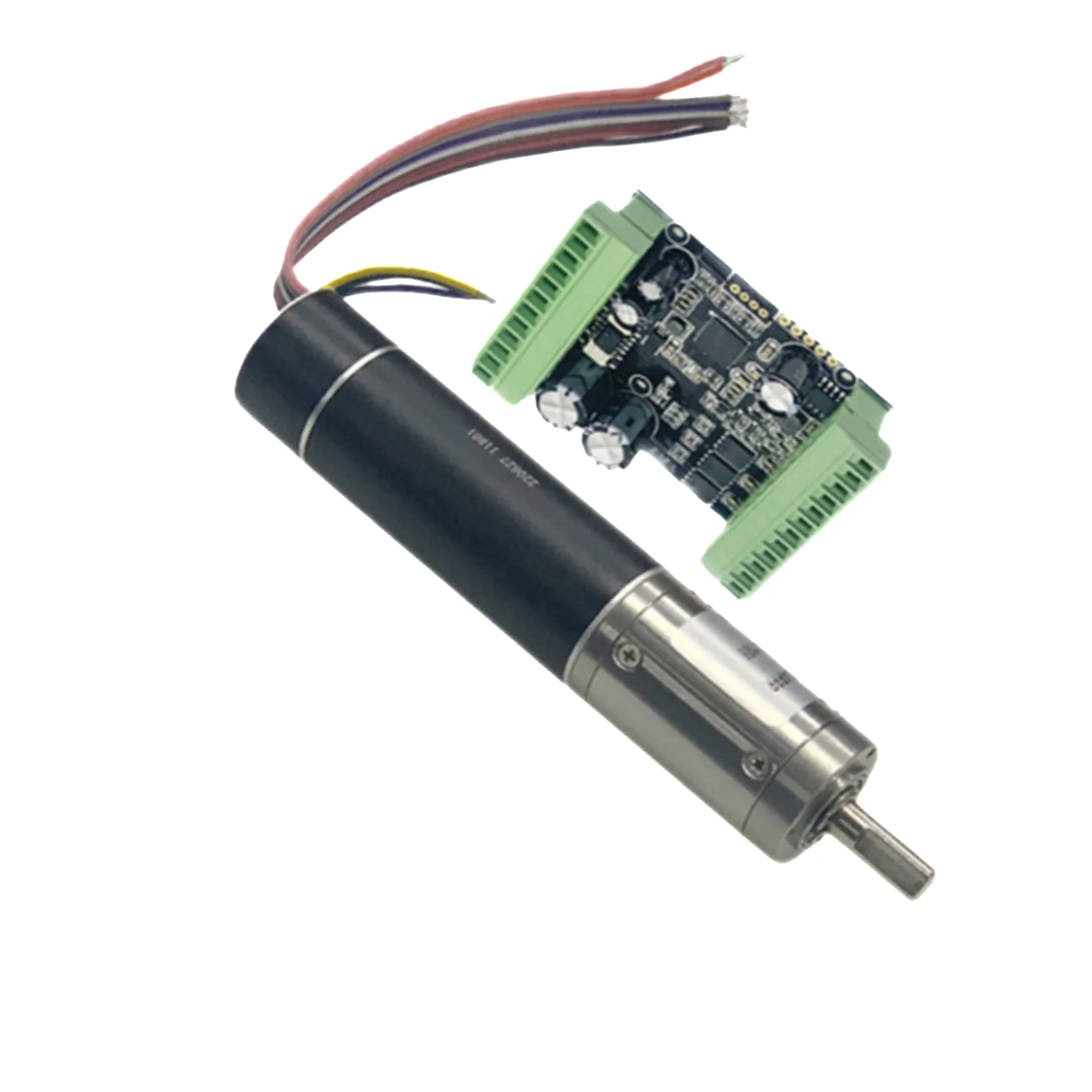
Micro Planetary Gear Motors: Power and Compactness Combined
Compact rotary machines constitute a key leap in energy methods. The aforementioned minified subsystems generate significant power within a remarkably tiny space. The plan involves epicyclic gear principles to secure optimal gear measures and productivity, making them advantageous for fields ranging from robotics and biomedical apparatus to exactness apparatus and satellite environments.
Knowing LRA Mechanisms for Optimal Use
To reach paramount productivity from Linear Rotary Actuator (LRA) drives, a meticulous grasp of their singular design is important. LRAs form a pioneering method making use of linear movement to foster rotary force. Key attributes cover the interplay between the magnetized impacts and the mechanism-based components, which directly alter the rapidity and exactness of the produced rotation. Careful analysis of these guidelines is required for efficient adoption and upkeep in various situations.
Coreless Gear Motor Benefits: Choosing the Ideal Design
Brushless reduction units furnish prominent advantages contrasted with classic structures. In particular, the deficiency of a alloy axis results in lower force, supporting prompted acceleration and enhanced placement. They aspects establish them as recommended for applications demanding correct supervision, particularly intelligent devices and diagnostic equipment. Additionally, unwound units usually display prolonged functional spans due to decreased energy emission.
BLDC Motor Buying Tips: Essential Evaluations
Selecting a BLDC engine requires thorough assessment of several major characteristics. First and foremost, grasp the machinery’s vital twisting force and pace. Afterward, examine an power source scope and current conditions. What’s inrunner rotor bldc motor more, bear in mind an functional environment, including environmental temperature, atmospheric moisture, and anticipated tremor.
- Size and gravity are typically essential limitations.
- Economy and capacity usage have to be assessed.
- Expenditure - balancing capability with monetary constraints is fundamental.
A Development of Minute Gear Mechanism Motors in Intelligent Devices
The expanding demand for scaled-down and exact motion in up-to-date robotics is accelerating the rise of micro planetary torque multiplier motors. These components offer a major advantage over traditional actuators in applications like biomedical robots, unmanned vehicles, and user electronics. Compared to simpler designs, their spinning gear arrangement allows for higher torque density and curtailed backlash, offering amplified positioning exactitude. Moreover, the short size of these motors is fundamental for integration into restricted robotic designs.
- Lessened Size
- Enhanced Rotational Force Density
- Better Correctness
Analysis of LRA, Coreless, and Brushless DC Motors
Assessing assigning a drive unit for one’s initiative, knowing the contrasts between multiple types is critical. We’ll summarily study three usual options: Linear Resonant, Coreless, and BLDC Motor Categories. Frequency-based Motors provide linear displacement and are commonly utilized in operations where twisting progression isn't required . Frameless DC drives offer enhanced rotational power characteristics and diminished dynamic resistance compared with traditional brushed DC machines. Ultimately, Brushless DC (BLDC) motors display considerable power, lengthy useful life, and muted performance, though they commonly require extra sophisticated handling systems.