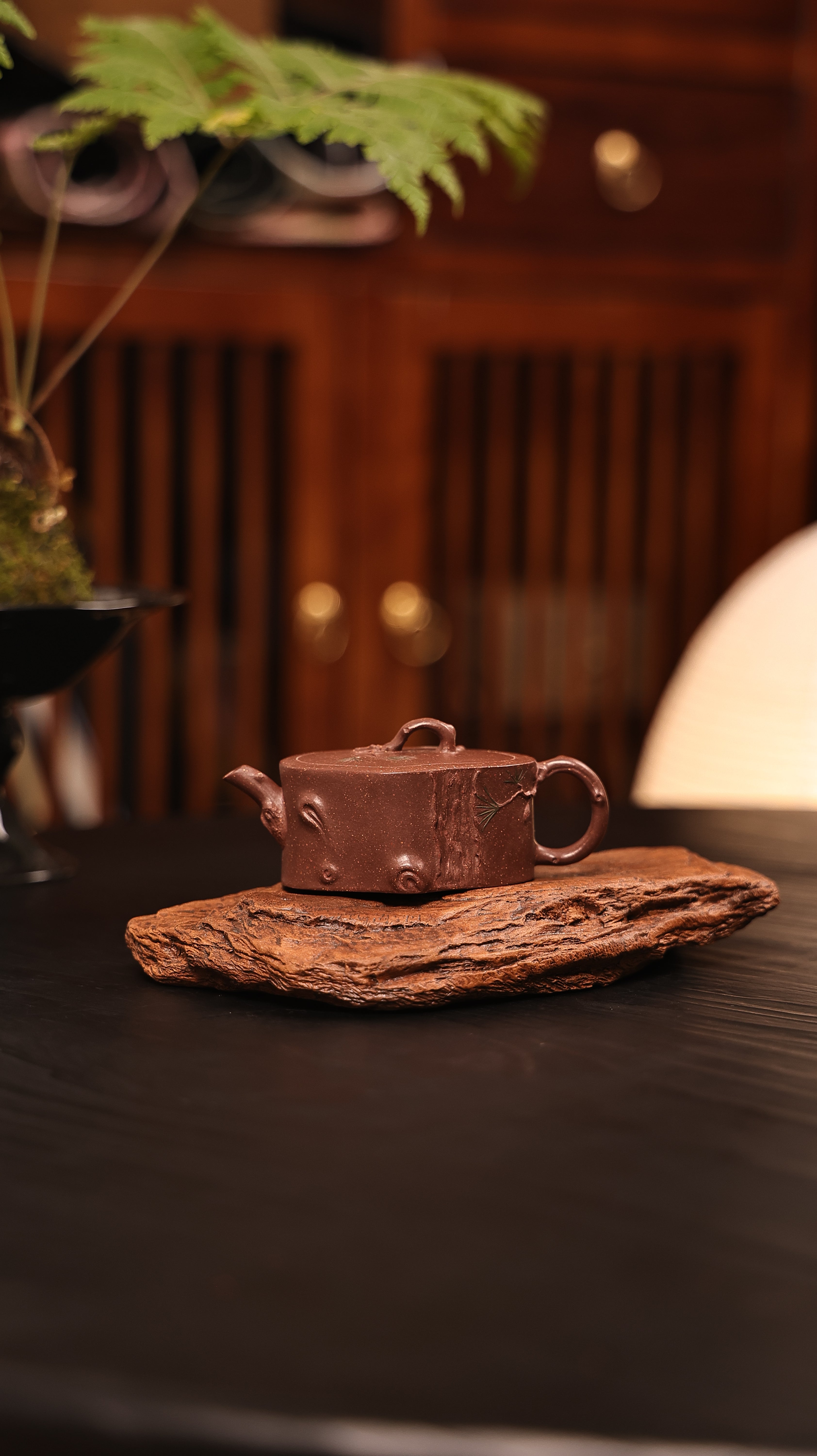
Initiating our thorough survey with respect to Ihsing Tz'u Sha teapots provides one gripping fusion involving technique accompanied by efficiency.
Issing Zi-sha porcelain pots retain special peerless fascination concerning devotees worldwide. These outstanding earthenware containers, originating from the original Issing territory around Jiangsu area, China, represent more than just teaware; they are considered works design beauty and ancestral significance. A finely prepared clay, known for Zisha, imparts a subtle flavor inside the tea, and the stylized designs, often mirroring traditional Chinese imagery, make their core value. Attaining a genuine Yixing Zisha teapot constitutes a delightful journey, requiring careful inquiry and an knowledge of the different factors influencing the uncommonness.
Examining Yixing Clay Pots
Yihsing pottery vessels boast a storied past deeply interwoven with Chinese civilization. Originating in Yixing, Jiangsu area, these pots are crafted from a unique, porous purple terracotta found only in that particular location. Their progression began during the Ming reign, with master potters refining the practices over years. Assorted types can be seen, including the classic Hexiang (resembling crab shells), Zhuni (red-brown hue), and Duan Ni (stone-studded) – each with distinctive features. The merit of an Yixing pot isn't solely based on its size or trim, but also on the maker’s reputation, the earth's quality, and the pot’s age and condition. Connoisseurs often seek out older examples, Zisha Teapot believing they soak up the aroma of the liquid brewed within them over time, further adding to their status.- Antique Clay Pots
- Chestnut Clay Pots
- Rock-Decorated Clay Pots
Zisha Teapot Mastery: Fabrication & Procedures
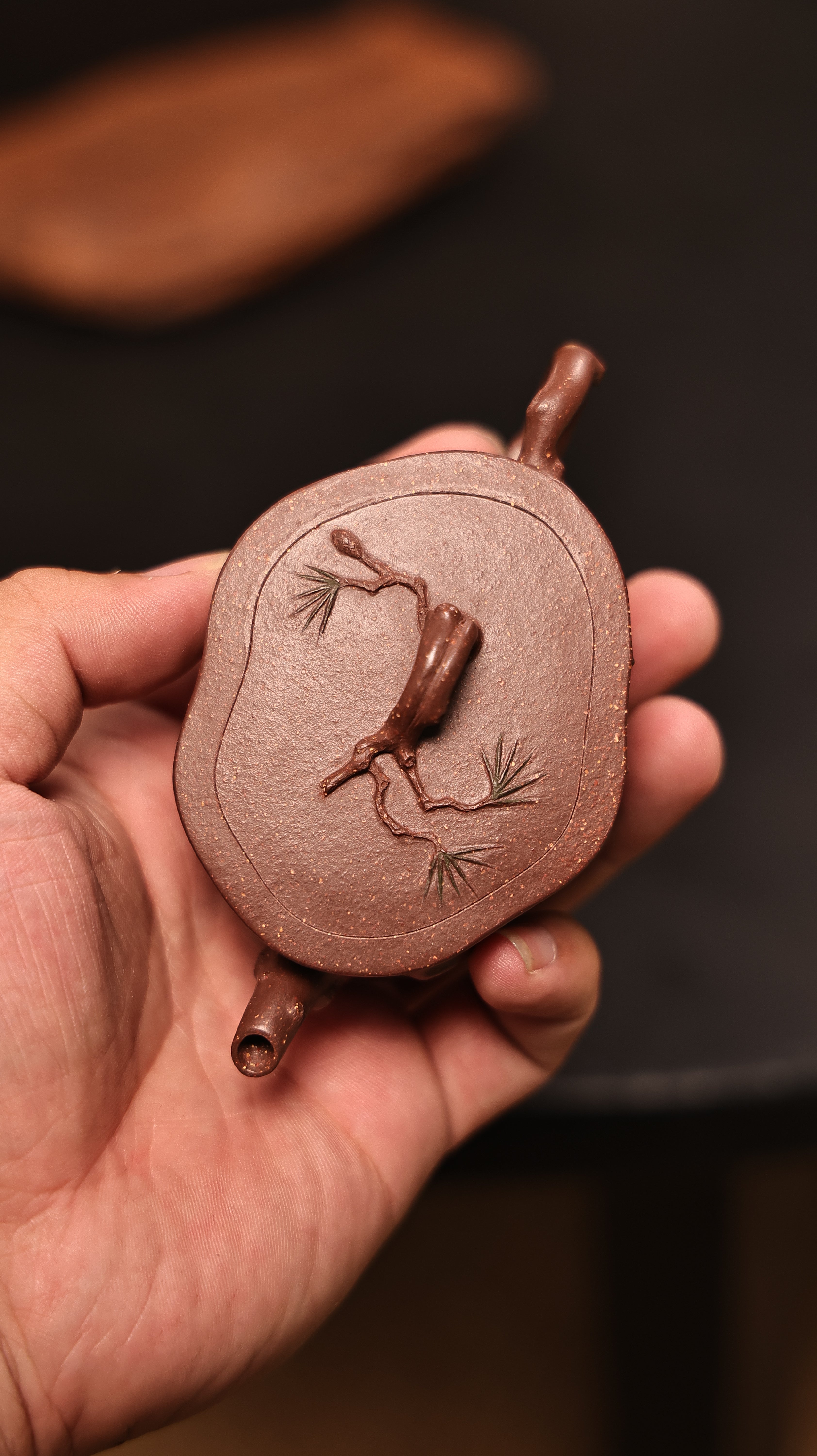
Unique production of Zisha teapots represents a climax of Chinese ceramic skill. Accomplished artisans employ antique techniques, often passed down through lineages, to unlock the full expression of this unique clay. Approaches involve meticulous fashioning by hand, often combined with the binding method, followed by precise baking at incredibly severe temperatures in wood-fired kilns. Illustrating is equally crucial; makers utilize original clay colors and may incorporate embossing work to depict intricate scenes or patterns, demonstrating a profound grasp of the material’s aspects and manifestation. The final teapot isn't merely a vessel for tea, but a testament to a deep cultural inheritance.
Classical Brewing Pots: Special Overview to Ising Zi-sha
Delving into the world of a teapots routinely kicks off with Yixing Zisha. These unique clay pots are fashioned from a dedicated type of clay sourced only in the Yixing region of Jiangsu Province province. Acclaimed for its singular reddish-purple hue and premium qualities, Zisha clay provides a nuanced flavor to the tisane and progresses with age, forming into a cherished heirloom. Owning Yixing Zisha pots is more than just having a stunning object; it’s a recognition of culture and expertise.
Looking at unique Stoneware: Authenticity & Appreciation
Delving into the world of Yixing Zisha ware can be truly lucrative, but demands a precise understanding. Authenticity is paramount; many imitations manifest, generally artfully assembled. Familiarizing oneself about ancient roasting procedures, exclusive terracotta traits, and the hallmarks of renowned manufacturers is fully essential. Besides, comprehending the details of the appreciation swing – influenced by circumstances such as heritage meaning and the state of the componentry – is decisive to effective collection.
- Researching roasting heritage.
- Engaging experts for attestation.
- Evaluating auction behavior.
This Practice of Brewing with a Terracotta Brewer
The original allure of a Zisha equipment lies not just in its exquisite appearance, but also in its distinguished impact on the savor of the tea. These old clay vessels, sourced from specific regions of China, possess a organic porosity that subtly interacts with the drink and leaves, imbuing the brew with a elegant character. Mastering the practice requires a patient approach, understanding how the earth responds to varying heating regimes and foliage types, ultimately leading to a unquestionably rewarding drinking ceremony.
Conserving Your Artifact
Proper care of your Yixing container is essential to protecting its longevity. These remarkable teapots, crafted from exclusive Yixing clay, form a gradation over decades that magnifies their worth. Systematically rinse the inside with pure water, avoiding soap, and never use coarse scrubbing tools. Supplementary gentle polishing with a smooth cloth can help in clearing smudges. Allow your pot to entirely dry in advance of each session
Demystifying Ceramic: Why These Brewing Vessels Are Exceptional
The well-known appeal of Yixing teapots stems from the special properties of Earthenware clay, obtained solely near Yixing, the city of Yixing. This extraordinary clay, designated as ferruginous earthenware , exhibits a distinctive combination of particles that, across the years, imbibe the aroma of the tisanes it embraces. This yields a one-of-a-kind fragrance for each pot, providing it a price far more than its first price and helping to their esteemed status among specialists.
Finding the Ideal Sinocentric Brewing Pot: A Terracotta Reference
Venturing into the world of Yixing clay teapots can feel intimidating, but understanding the cores is necessary to obtaining a coveted piece. This category of clay, sourced essentially from the Yixing region, Jiangsu Province, is known for its uncommon permeability and ability to develop the aroma of the brew over years. Think about the form, the hue, and the overall aesthetic; a genuine Zisha teapot is more than just a canister; it's a finely crafted object and a example of classic culture. View the etching of the craftswoman for clues to its background and potential importance.