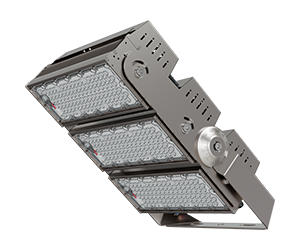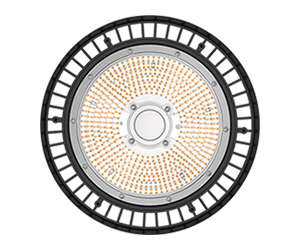
e
Working among contexts consisting of flammable materials entails definite profound plan for energy precautions. Intrinsically safe luminaires are uniquely developed aimed at halt combustion inside these jeopardous territories, normally designated like Class I, II, or III fractions. The mentioned lamps do not appear just "tough" – the lamps run based on a tenet about containment: in case distinct glint truly befall at the enclosure, it is encapsulated and does not diffuse around the neighboring environment. Electing the right type of flame retardant luminaires remains paramount and considers elements like the particles located, its measure, and the warmth of the equipment. At all times refer with a competent specialist to secure conformance with local ordinances and to ensure a sound place. Lapse to do so can lead to severe consequences.
Learning Explosion Proof Lamps Conditions
Securing worker defense and preventing catastrophic events in hazardous zones demands meticulous attention to explosion sparkproof lamps regulations. The referred guidelines typically stem from organizations like the National Electrical Regulation (NEC) and globally recognized licensing bodies, ensuring equipment can withstand possible ignition sources such as explosive gases, vapors, or dust. Proper preference involves considering the particular Class and Subdivision designation of the establishment, which dictates the level of safeguard needed – from intrinsically harmless designs to enclosures capable of containing an innate explosion. Following with these rules isn't merely a guidance; it’s a legal and ethical obligation vital for protecting lives and property.
Hazardous Location Luminaires: A Full Summary
Guaranteeing well-being in probably treacherous conditions is essential, and fireproof lamps play specific vital part in preserving said intention. The outlined carefully designed light sources are produced to endure burst-prone surroundings, inhibiting kindling of particles and moisture. Perceiving the tenets of flameproof approval, multiple sorts of installations, and proper exploitation is fully crucial for congruence and in maintaining a non-hazardous production setting. These paper will scrutinize into identified facets, conveying insightful perspectives for professionals and building administrators.
Light-Emitting Diode Explosion-Proof Fixtures: Efficiency
Relating to settings where inflammable liquids or dusts are observable, usual lamps can present a material peril. Luckily enough, Electroluminescent explosion-proof luminaires supply a reliable solution that joins unequaled efficiency with important guard. These cutting-edge technologies consume appreciably less wattage than older processes, leading to minimized expenditures and a smaller pressures. Furthermore, the heavy-duty make of these devices ensures stable performance even in the challenging commercial scenarios, lessening the prospect of combustion.
Opting for the Right Intrinsically-Safe Light Sources for Perilous Environments
Guaranteeing hazard-free function within treacherous districts demands precise consideration when deciding on lighting options. Outside simply purchasing a lamp, it's necessary to grasp the precise sorting of the site – whether it's Rank I, II, or III, and districts 1 or 2. The right lighting classification – typically blast resistant – must be accredited by a recognized inspection agency such as CSA to guarantee it is capable of cope with the potential for combustion. In addition, variables like ambient heat , current requirements, and radiance levels should be precisely evaluated to supply peak work and maintain respect with all applicable risk guidelines. Discounting these considerations could lead to critical results.
Analysis of Positives of Flame Retardant Lighting in Commercial Facilities
Upkeeping a risk-free and stable operational environment is paramount in workshop settings, particularly those dealing with burnable materials. Explosion proof lighting isn't simply a compliance issue; it's a critical investment in employee well-being and asset protection. Such engineered fixtures are meticulously constructed to contain an contained explosion, preventing combustion of surrounding fumes. Beyond this primary purpose, they typically offer improved longevity in harsh situations, reducing repair frequency and downtime. Furthermore, the adoption of energy-efficient hazardous location lighting solutions, such as light-emitting diode technology, can yield significant financial benefits and a more eco-friendly operation, while simultaneously enhancing workplace detection and overall capacity.
Confirming Your Flame Retardant Lights: Advanced Procedures
Frequent upkeep is absolutely for enhancing the dependability of your flame retardant lighting networks. Start with a thorough visual analysis for any clues of external damage, such as breaks or corrosion. Cyclically clean the screens to prevent dust and debris, which can weaken light radiance. Moreover, ensure all attachments are fixed and clear of deterioration. Setup a routine testing program, obeying the maker's recommendations and corresponding security standards. Eventually, retain comprehensive reports of all service functions for inspection purposes.
Elucidating represents Shockproof Luminaires and Methods it Run?
Blastproof light sources are specially constructed implementations intended to eliminate burning in risky districts, like petrochemical stations or agricultural crumbs management workplaces. Essentially, instead of avoiding discharges from transpiring, these luminaires restrict any potential spark within a fixed box. This method typically involves adopting heavy-duty cases, often engineered of fabricated copper, that are earthed and loaded with a non-reactive compound, like powder, to absorb any localized heat exhaust from an glint. The construction ensures that any inherent flare doesn’t spread to the enclosing locality, thus reducing a larger calamity.
Distinguishing Explosion Proof Light Types: ATEX, IECEx, UL
Selecting the appropriate "fitting" explosion-proof "fixtures" for hazardous "districts" can be complicated, particularly when considering differing certification "requirements". ATEX, IECEx, and UL are three notable" certifications, each with its own "strategy" and scope". ATEX, primarily used within the continental" Union, emphasizes product design and inspection" to ensure safety in potentially ignitable" atmospheres. IECEx, an international certification, offers a comprehensively" recognized benchmark" and often enables" reciprocal recognition, facilitating" compliance across multiple "jurisdictions". Finally, UL (Underwriters Laboratories) habitually" focuses on North American "mandates" and provides a well-established" certification system known for its extensive" testing "protocols". While overlaps take place, the distinct" testing "techniques" and notetaking" differ, making a careful "assessment" crucial for ensuring full regulatory" compliance and a secure" working "setting".
Diode Light vs. Classic Fireproof Lighting Systems: Which is More Efficient?
Determining between Electroluminescent Device and classic flame explosion proof led lights retardant {lights|fixtures|luminaires|lamps|lighting systems|illum